
The Best Digital Pianos for Beginner Students: A Teacher's Guide
As piano teachers and parents, one of the most important decisions we make is choosing the right instrument for our beginning students. Whether you're a fellow teacher advising families or a parent shopping for your child, this guide will help you find a quality digital piano that sets students up for success.
Why 88 Weighted Keys Matter
I always recommend starting students on a full 88-key digital piano with weighted keys, and here's why: weighted keys help strengthen the fingers, especially for young beginners who are still developing hand strength and coordination. When children practice on weighted keys from the start, they build the proper finger strength and muscle memory needed for good technique.
Learning on an instrument with weighted keys means students develop the correct touch and control right from the beginning. It's much harder to transfer good technique later than to learn it properly from day one. The resistance of weighted keys teaches students to play with intention and control, rather than just tapping keys.
What About Pedals?
While a sustain pedal isn't absolutely essential for brand new beginners in their first few months, I do recommend having one available. As students progress beyond basic exercises and simple melodies, the pedal becomes an important part of musical expression. For very young students, we can introduce pedaling once they've mastered basic hand position and note reading.
Portable Digital Pianos (with Collapsible Stands)
These instruments are perfect for families with limited space or those who aren't sure about long-term commitment yet. They're easy to move and store, and you can start with a simple sustain pedal before investing in a triple pedal unit.
Yamaha P-Series
The Yamaha P-125 and P-145 are excellent entry-level choices. Yamaha's Graded Hammer Standard action provides realistic weighted keys, and the sound quality is reliable. These are lightweight enough to move between rooms but substantial enough for serious practice.
Roland FP-Series
The Roland FP-30X offers wonderful touch sensitivity and Roland's respected piano sound engine. It's compact but doesn't compromise on key action quality. The sound is rich and expressive.
Casio Privia Series
The Casio PX-S1100 provide excellent value. Casio's Tri-Sensor Scaled Hammer Action keyboard gives students realistic key resistance at a more affordable price point. This is a solid instrument for learning proper technique.
Console-Style Digital Pianos (with Built-in Stand and 3 Pedals)
If you have the space and want something that feels more like a traditional piano, these console models come with a furniture-style stand and all three pedals (soft, sostenuto, and sustain). They create a dedicated practice space and eliminate the need to purchase separate stands and pedals.
Yamaha Ydp-Series (Arius Line)
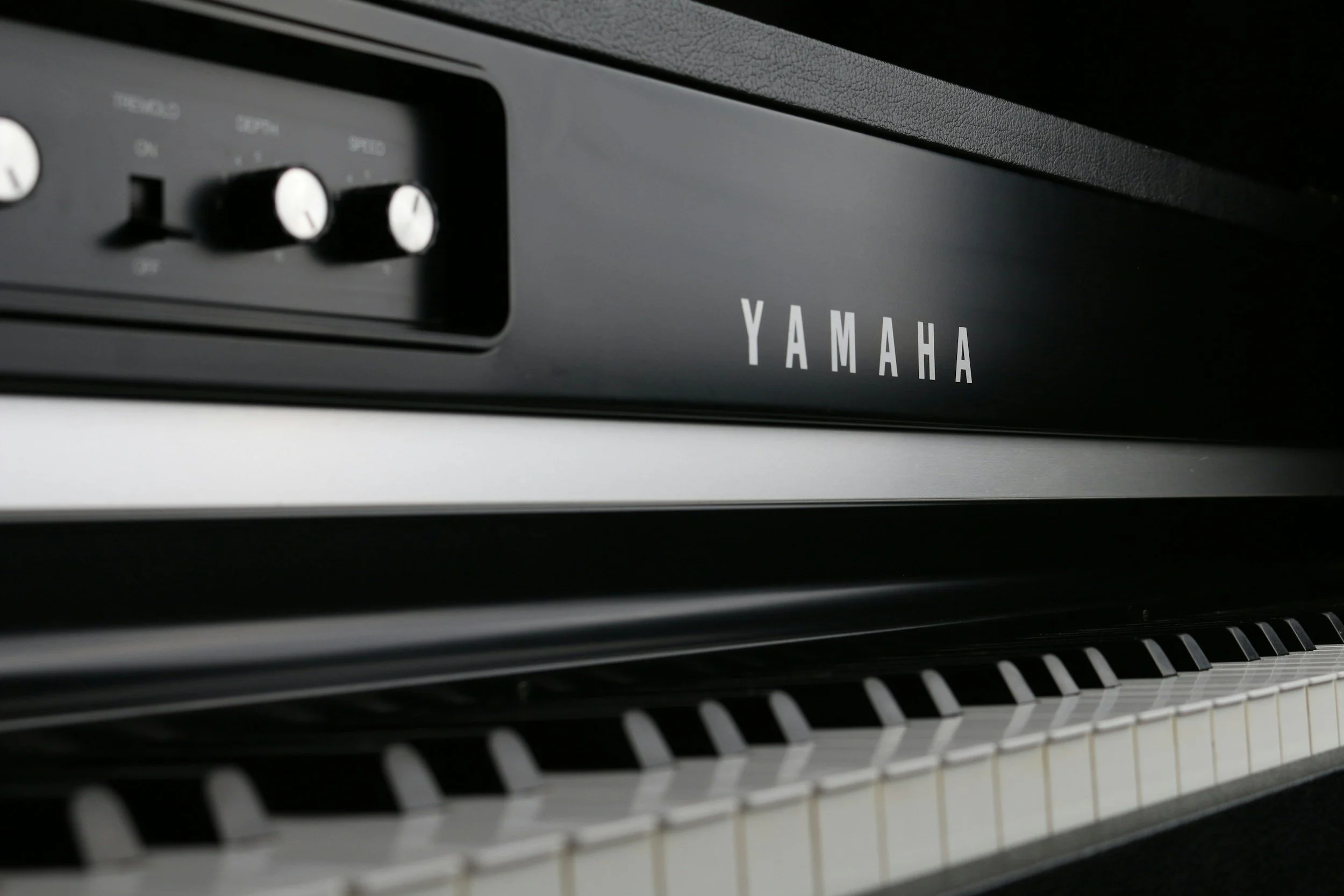
The Yamaha YDP-145 or YDP-165 are fantastic choices for a home instrument. The three-pedal system and cabinet design make it feel like playing a real acoustic piano. The Graded Hammer Standard keyboard is the same quality action you'd find in their portable models, but in a complete package. I own this digital piano and really like it. I think it's fantastic. The keys have great hammer action and the sound is quite nice!
Roland RP-Series
The Roland RP-107 or RP-701 offer beautiful cabinet designs with excellent key action and sound. Roland's PHA-4 Standard keyboard provides great touch, and having all three pedals built-in means students can learn proper pedaling technique as they advance.
Casio Privia Series
PX-770 provide excellent value. Casio's Tri-Sensor Scaled Hammer Action keyboard gives students realistic key resistance at a more affordable price point. These are solid instruments for learning proper technique.
Casio Celviano Series
The Casio AP-470 series in console form delivers impressive sound and touch. The cabinet design looks elegant in any room, and the three-pedal system supports students as they grow into more advanced repertoire.
What to Look for When Shopping
When comparing models, prioritize:
Full 88 keys - essential for playing standard repertoire
Weighted/hammer action keys - builds proper finger strength and technique
Touch sensitivity - keys should respond to how hard or soft you play
Quality sound - look for sampled acoustic piano sounds, not synthesized tones
At least one pedal (or the ability to add one) - you'll need it sooner than you think. The 3 built-in pedals is preferable but if you’re starting with a portable keyboard, one pedal is suffice to start with.
Features like Bluetooth connectivity and recording functions are nice bonuses but shouldn't outweigh the basics of good key action and sound quality.
When to Consider an Acoustic Piano
While digital pianos are excellent learning instruments and many students continue on them for years, some families eventually transition to an acoustic piano. This typically makes sense when a student has been playing consistently for several years, has shown serious commitment to piano, and the family has space and budget for a quality acoustic instrument (and regular maintenance). An acoustic piano offers subtle tonal nuances and mechanical feedback that advanced students may appreciate, but a good digital piano will serve most students beautifully through many years of lessons.
Final Thoughts
The most important thing is getting your student started on an instrument with proper weighted keys. Whether you choose a portable model with a collapsible stand or invest in a console-style piano with built-in pedals, any of the Yamaha, Roland, or Casio options I've listed will support good technique development and years of musical growth.
These are instruments I genuinely recommend to my own students' families! My go-to is the Yamaha. I personally own the Arius and think it has a nice feel and touch. That being said, any of these pianos will be good pianos to start with and use for many years.
Happy piano shopping, and here's to building strong fingers and beautiful music from day one!
As an Amazon Associate, I earn from qualifying purchases through the links in this post.